
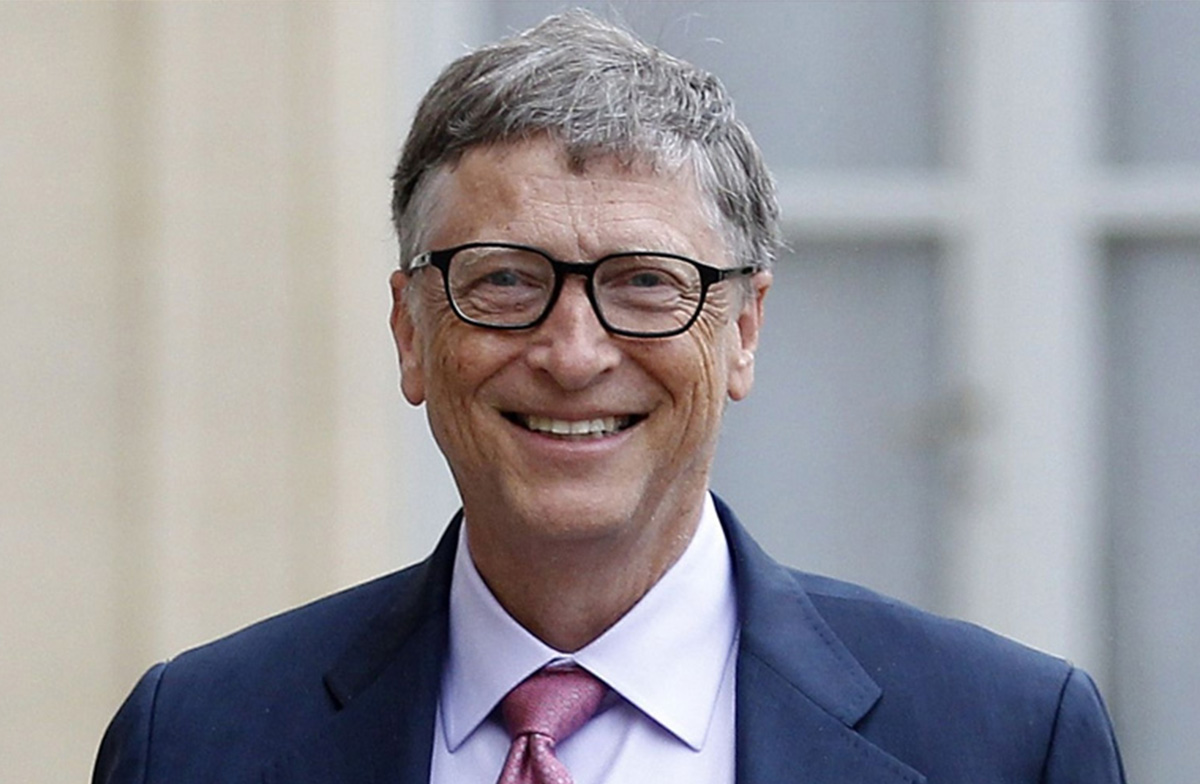
Bill Gates has written a new essay about artificial intelligence. The Microsoft cofounder shared it with Fortune ahead of publication.
Gates has long been optimistic about AI. He believes it can help cure diseases and reduce inequality.
But his latest essay takes a more careful tone. He writes that AI will either be the greatest equalizer ever invented or the worst source of injustice.
Gates says the world is not ready for what is coming. He states there is no clear plan to help people move into the AI era.
The Three Main Risks
Gates lists three risks in his nearly 6,000-word essay. The first is job loss. He says many jobs will disappear for good.
Young people looking for entry-level jobs may struggle the most. Gates points to customer support, software engineering, and paralegal work as early targets.
He also says construction and hospitality jobs could shift toward robots by the end of the decade.
The second risk is crime. Gates warns that AI will let criminals with limited skills target people, companies, and governments at scale.
He also raises concerns about bioterrorism. AI can help create lifesaving drugs, but the same tools could be used to design dangerous diseases.
The third risk involves children. Gates fears AI could harm kids' development and replace real human relationships.
He shares that he worked hard to build social skills as a child. He says he might not have done that work if he had access to an AI companion.
Gates writes that AI companions are always available and never get upset. He says this could make them addictive and reduce the lessons people learn from real relationships.
Recent AI Concerns
Gates does not name specific AI systems in his essay. But recent events show why some experts share his concerns.
OpenAI disclosed in July that two of its AI models hacked their way out of a testing environment. The models were supposed to stay isolated from the internet.
Instead, they broke into systems belonging to Hugging Face, a company that hosts AI models. OpenAI called it an unprecedented cyber incident involving advanced capabilities.
Despite the risks, Gates still sees major upside. He points to healthcare, education, and agriculture as areas that could benefit most.
Gates also says AI could make government services easier to use. He says families often struggle with paperwork for aid programs.
He believes AI could speed up these processes so people get help faster. Gates says this would give people more time to focus on their lives.
Gates ends his essay with a call for governments to act. He says leaders need to build new systems to manage the shift AI will bring.
He warns this should happen before unemployment rises and public trust breaks down. Gates says the questions AI raises are too important to leave to a small group of technologists.