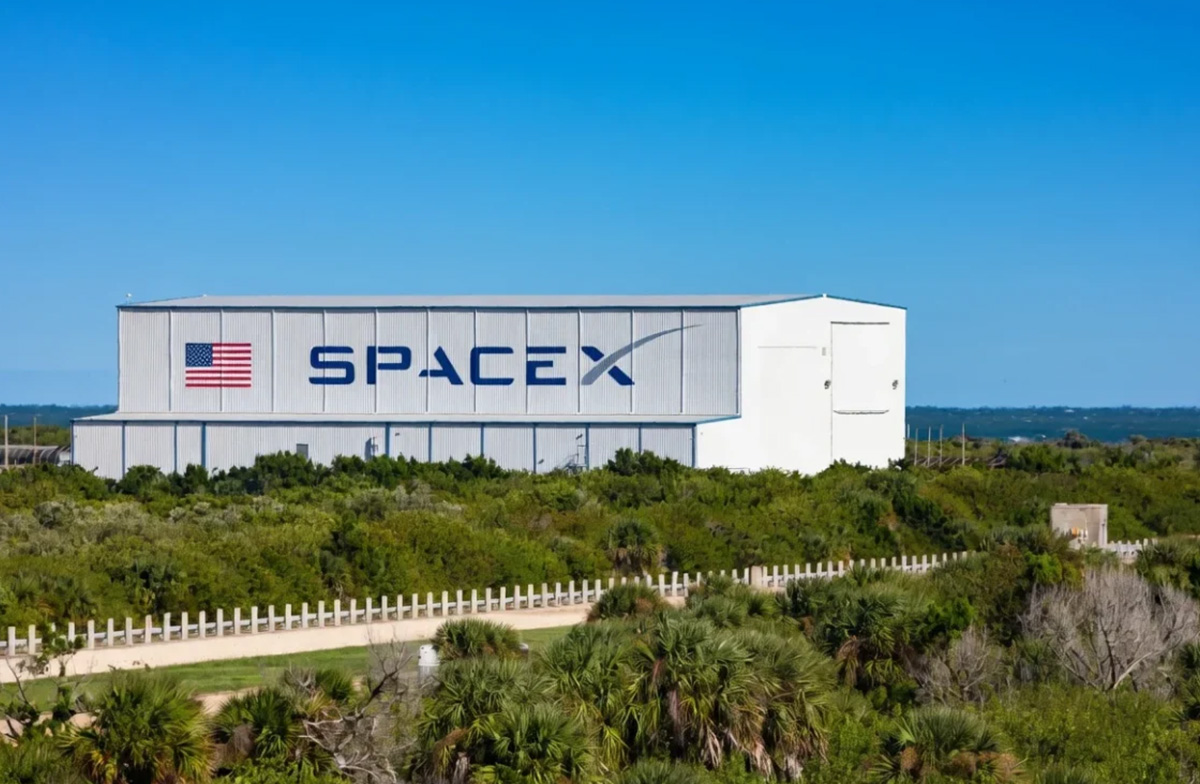
SpaceX reported third-quarter revenue of $14.6 billion on Tuesday, according to its regulatory filing. That marks a 161% increase from the same three months a year earlier.
The company posted net income of $4.4 billion for the quarter ending in September. A year earlier, it recorded a loss of about $1.05 billion in the same period.
This was the second quarterly earnings report since SpaceX went public in June. The company posted a loss in the quarter ending in June, so the latest results mark a return to profit.
Shares rose nearly 4% in after-hours trading following the release, reaching about $153.30. The company has a valuation of nearly $1.95 trillion.
In August, SpaceX reported $7.8 billion in revenue for the three months ending in June. That was up from $4 billion a year earlier, but costs were higher than revenue.
SpaceX still had a net loss of $413 million for the first nine months of the year.
AI and Starlink Drive Growth
The company’s renamed “Super Intelligence” segment brought in $7.5 billion in revenue. The unit includes the Grok chatbot, the recently acquired Cursor coding tool and a data center business with 1.7 gigawatts of computing power.
AI now makes up 52% of SpaceX’s income. The AI unit earned $431 million in operating income, after losing $1.26 billion the previous quarter. That figure would have been higher without $1.2 billion in one-time stock-based compensation costs tied to the Cursor deal.
The connectivity segment, which includes Starlink, generated $5.2 billion in revenue. That is up 69% from a year earlier, and Starlink reached 13.6 million consumer subscribers.
Earlier this month, Starlink acquired nationwide low-band spectrum. Paul Golding, an analyst at Macquarie, said this suggests the company may compete with U.S. mobile carriers.
Revenue was also helped by about $1 billion tied to the recovery in Bitcoin prices and unspecified related-party income.
SpaceX spent $19.6 billion on capital expenditures during the quarter. The money went toward its Colossus II data center in Memphis, Tennessee, and its Starship rocket program.
Musk said he spends four days a week in Memphis working to bring Colossus II online. He said power, cooling and infrastructure, not chips, are the main limits on AI deployment.
He also said SpaceX is using its own metal casting skills to make turbine parts, as outside suppliers face 12- to 18-month delays.
The next Starship test flight is expected in November. SpaceX plans to try recovering both the booster and the upper stage.
The results came a day after Musk pledged to give one of his SpaceX shares to every child in the U.S. next year. With about 73 million Americans under 18, the gift would be worth nearly $11 billion.
Musk predicted SpaceX’s annual recurring revenue could reach between $500 billion and $1 trillion by the end of 2027.
Chief Financial Officer Bret Johnsen said the company plans to spend $35 billion to $40 billion on capital investments in the fourth quarter. He forecast total revenue of $33 billion to $37 billion for the first quarter of 2027.