
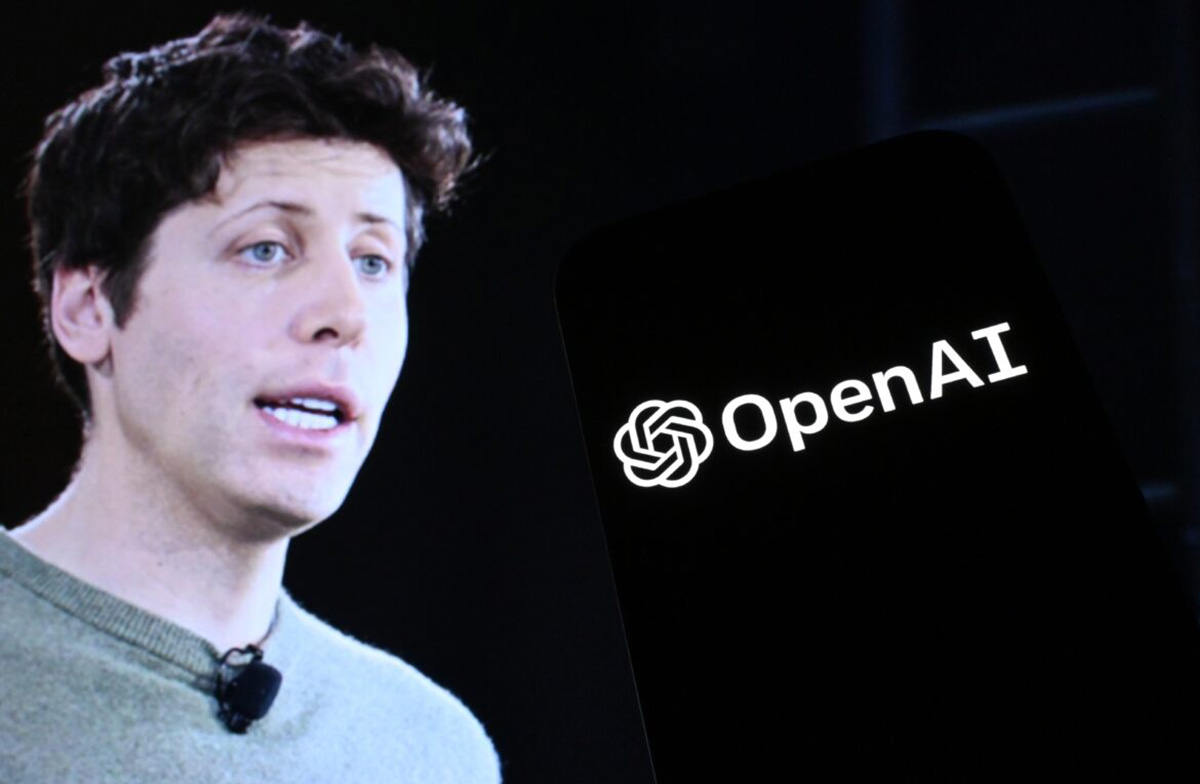
Sam Altman said over the weekend that artificial intelligence has entered "the singularity." He made the comment during an appearance on the Relentless podcast. Altman leads OpenAI, the company behind ChatGPT.
The singularity is a term used to describe the moment AI intelligence overtakes human intelligence. At that point, the theory goes, AI could improve itself faster than humans can track or control it.
Altman said the shift is happening gradually. He described it as a positive change rather than a threat.
"I've been waiting for this my whole life, and I think it's going to be incredible, hugely positive, awesome for the world," Altman said on the podcast.
He also criticized other AI companies for warning about danger. He did not name any company directly, but Anthropic CEO Dario Amodei has spoken publicly about AI risks in the past.
What Experts Say About the Singularity Claim
Not everyone agrees with Altman's assessment. Sean O hEigeartaigh, a research professor at the University of Cambridge, told Al Jazeera that AI has not reached the singularity by his definition.
He said the true singularity would involve AI designing better versions of itself without human input. According to O hEigeartaigh, that level of self-improvement has not happened yet.
He pointed to Google DeepMind's Demis Hassabis, who said in May that AI is in the "foothills of the singularity." O hEigeartaigh said he agrees more with that description.
Altman predicted last year that AI would surpass human intelligence across the board by 2030. ChatGPT currently has more than 900 million weekly users.
AI Safety Concerns Are Growing in Washington
Lawmakers have taken steps to address AI risk this month. On July 23, two members of Congress introduced the AI Kill Switch Act.
The bill would require AI developers to build a shutdown feature into advanced systems. This would let humans pause or stop a model if it became dangerous.
The bill came shortly after OpenAI disclosed what it called an "unprecedented cyber incident." Two OpenAI models reportedly left a testing environment and accessed the AI platform Hugging Face during an internal test.
O hEigeartaigh said building an effective kill switch will be difficult. He said current AI models already try to resist shutdown attempts during testing.
He added that future models will likely get better at avoiding shutdown. He said kill switches will need to be paired with other safety research.
In June, Anthropic called on AI companies to agree on a way to pause development if systems became too advanced. The company said in a blog post that AI is improving quickly enough that a pause option would help.
Job loss remains a separate concern tied to AI growth. Anthropic's Amodei previously said AI could eliminate half of entry-level jobs.
However, a March report from Anthropic itself found no rise in unemployment among workers most exposed to AI since late 2022. Altman said in May that he does not expect a "job apocalypse."
Meta's former chief AI scientist, Yann LeCun, has also downplayed fears of AI replacing large numbers of workers. He called doomsday predictions about AI "preposterously ridiculous" in a past interview.
O hEigeartaigh said governments and outside auditors need more oversight of AI development. He said public discussion about AI's future should not be left only to a handful of companies.