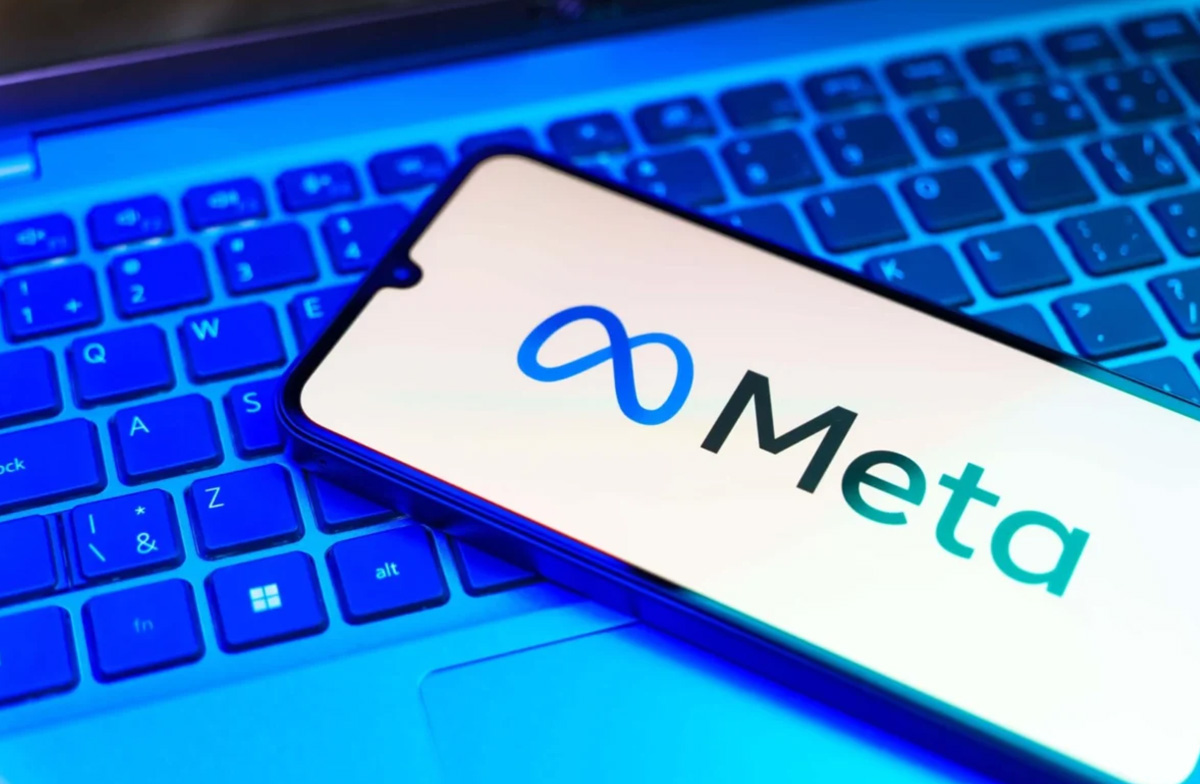
Meta has launched Muse, a new AI personal agent. The company describes it as a personal agent “built for everyone.”
Unlike traditional chatbots, Muse is designed to complete tasks for users. It can fill out forms, organize calendars, pay bills and make reservations.
The launch drew a response from psychologist Carly Dober, who wrote an opinion column for The Guardian published on October 31, 2026. Her piece argues that relying too heavily on AI tools can harm the brain.
Dober noted that the launch comes as AI agents have been in the news for hacking into government websites, public agencies and businesses. However, her main concern is how these tools affect individual users.
What the Psychologist Says About AI Use
Dober said the brain naturally prefers the easiest path to save energy. She said tired people are often tempted to scroll social media or hand tasks to a chatbot.
She described a process called cognitive offloading. This happens when AI skips the mental effort the brain needs to build strong neural connections.
According to Dober, the brain relies on struggle and failure to rewire and strengthen itself. Skipping that effort can reduce a person’s cognitive reserve over time.
She also pointed to automation bias. This is the tendency to trust information from technology, such as ChatGPT or Claude, over a manual source like a textbook, even when the textbook is correct.
A related idea, automation complacency, describes checking technology less carefully because people assume it is accurate. Dober said this happens even though people know large language models often give wrong answers.
Privacy Concerns and Suggested Steps
The column also covered data privacy. Dober described the “privacy paradox,” where people say they value privacy but give away personal data for convenience.
She said privacy policies are often long and written in dense legal language. This leads to “consent fatigue,” where users click “Accept all” because they feel they have no real choice.
Dober suggested people share less information online, turn off location services unless using navigation, and reject tracking cookies.
To cut back on AI use, she recommended adding “friction” to daily routines. One step is logging out of online accounts so users must type their passwords each time.
She also suggested removing apps such as ChatGPT, Claude or Gemini from phones and using them only on a computer. Another tip is to wait about 30 minutes before asking an AI a question.
Dober advised writing first drafts of emails and presentations without help. She also suggested asking friends or colleagues for advice instead of a chatbot.
She recommended setting aside screen-free hours each day for reading, writing by hand or walking. She said people should try this consistently for six weeks to notice a difference.
Separately, Meta has also released Muse Spark Open, a new “open-weight” AI model, adding to its lineup of Muse products.