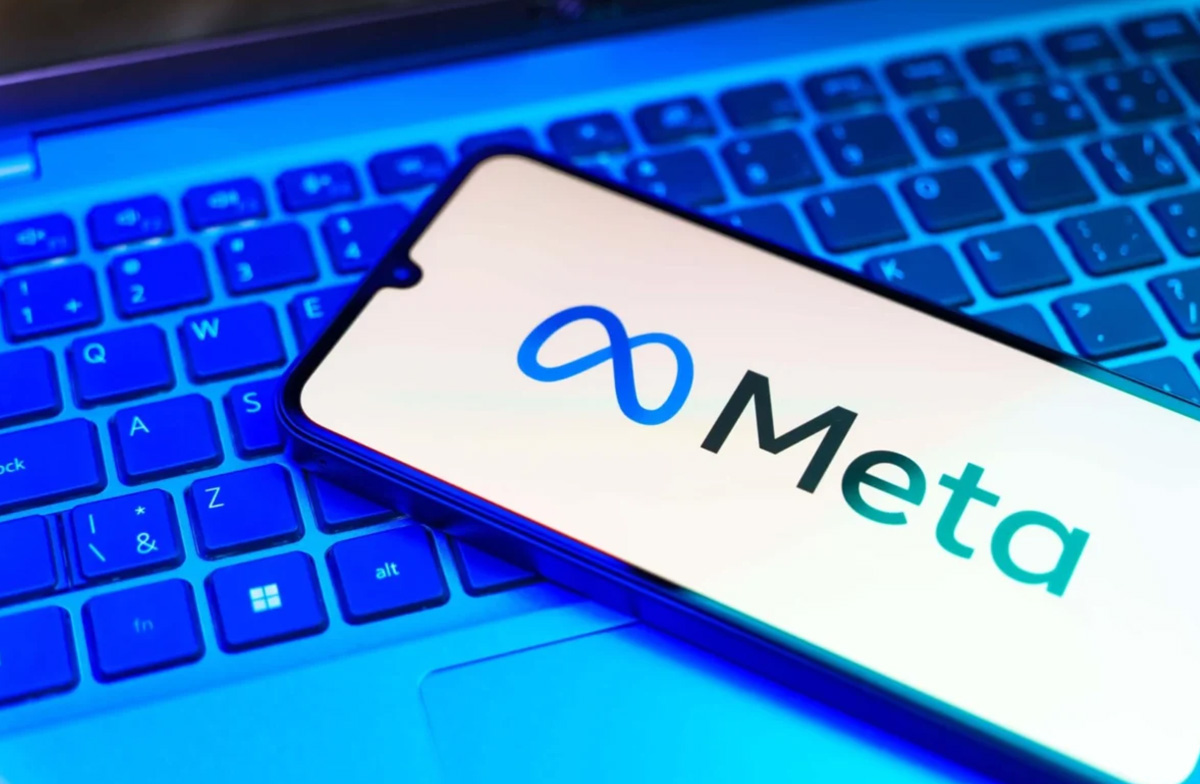
A group of 10 Norwegian media organisations has filed legal action against Meta. They say new terms for business accounts on Facebook and Instagram could let the company use their journalism in artificial intelligence products without permission.
The publishers argue the terms would weaken their control over their own content. Meta owns Facebook, Instagram, WhatsApp and Threads.
What the New Terms Would Allow
According to the media groups, the new terms would give Meta the right to collect their articles, photos and videos. This would include content behind a paywall.
The publishers say Meta could use that material to develop AI products, among other uses.
Meta quietly announced changes to its Commercial Terms on 8 October. The company first planned to roll them out on 30 October.
Meta postponed the launch after pushback from European publishers and antitrust authorities. The new date is 20 November.
Meta said the delay was “to allow more time for us to explain to our partners and stakeholders what’s changing and what’s not.”
Critics say publishers face an “all-or-nothing” choice. They can allow Meta to collect their journalism, possibly for AI training, or lose their Facebook and Instagram presence.
The plaintiffs say the terms would apply to all professional account holders, including media outlets, companies and retailers. The only way to opt out would be to delete their accounts.
Publishers Push Back
Lene Eltvik Vindfeld leads the Norwegian Media Businesses’ Association, known as MBL. She said: “The fear is that the companies will use this power to secure rights over journalistic content.”
“Meta uses media groups’ investments to develop artificial intelligence services that compete with them directly,” she said. “This is both unacceptable and distorts competition.”
The plaintiffs include public broadcaster NRK, media groups Schibsted, Amedia, Polaris and Aller, and Norwegian news agency NTB.
This is not the first dispute between the groups and Meta this month. On 14 October, MBL and NRK threatened to sue Meta, accusing it of profiting from fraudulent ads that impersonated them to cheat internet users.
Other publishers have also acted. Since May, more than 340 local and national news sites, including the Guardian, the New York Times and USA Today, have blocked internet archive crawler bots to stop them from collecting data for AI training.
In June, France’s competition authority warned Meta that its approach to copyright talks with news outlets could “seriously harm” the press.
The Norwegian groups have now asked the Oslo District Court for a provisional injunction. It would block the terms from taking effect until the court rules on the main case.
The case will test whether publishers can stop the changes before Meta’s planned 20 November launch.