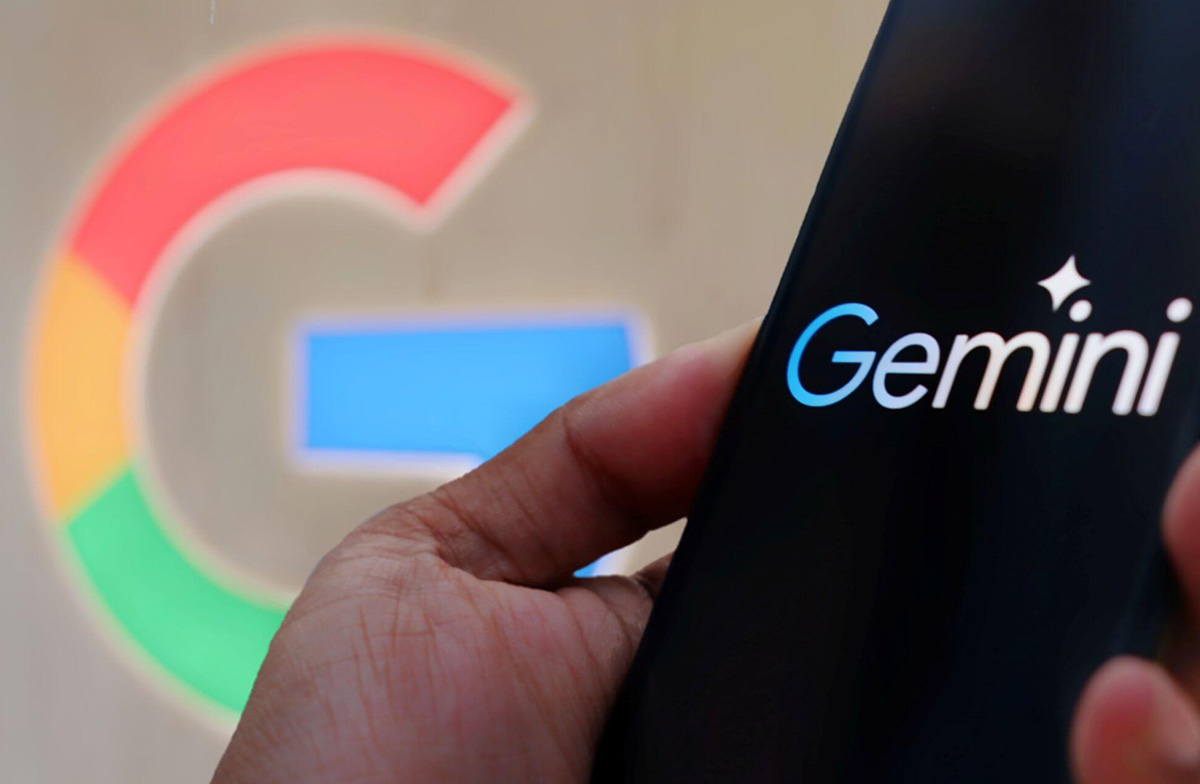
Alphabet’s Google will double the price developers pay to use its Gemini 4 Argon model through the Gemini API on December 1, 2026. The introductory rate of $2 per million input tokens and $10 per million output tokens ends after November 30.
From December 1, the standard rate of $4 per million input tokens and $20 per million output tokens will apply. Cached input tokens keep a 95% discount at both price levels, according to Google’s launch post.
The change means teams that built products on Argon since its launch will see their API bills rise. A November 9 report from Tech Insider compared the new rate with prices from rival AI companies.
How the New Price Compares
At $4 and $20, Argon will match the list price of Anthropic’s Claude Opus 5.5 exactly, according to Tech Insider. It will also cost twice what OpenAI lists for GPT-6.1 Sol, which is priced at $2 for input and $10 for output.
DeepSeek V4.1 Flash sits far below all three models on price. Tech Insider said the shift is less about Google being expensive and more about Google no longer being the cheapest option among frontier models.
The outlet based its figures on vendor pages checked on November 9, 2026. It said none of the vendors published Canadian-dollar list prices, so costs for users paying in other currencies depend on their bank’s exchange rate.
What Google Says Argon Can Do
Google launched Gemini 4 Argon on October 13, 2026, calling it its latest frontier model. It is available to developers and enterprises through the API in AI Studio, and to Google AI Ultra and Pro subscribers in the Gemini app and AI Mode in Search.
Google said Argon ranks first on the Vals Index, which measures model performance in finance, coding, legal and tax work. The model also scored 87% on the Embodied Reasoning benchmark, which tests how well a model solves physical and spatial problems.
Inside Google, Argon helped teams increase agentic code submissions by more than 35%. Code rollbacks fell by nearly a third over the same period, the company said.
The Chrome team used Argon to separate core webpage handling from a legacy folder of about 6 million lines of code. Google said the work took weeks instead of months.
Google also said Argon made its open Gemma models 2.85 times faster on an A100 chip. Throughput rose from about 37,900 to over 108,000 tokens per second with no drop in quality.
Several enterprise customers shared early results. Kepler said Argon matched its analyst-built financial models on more than 99% of figures, while Box reported a 14% accuracy gain compared with Gemini 3.1 Pro.
Research firm Quadrillion said Argon completed its tests 1.5 times faster than peer models at a quarter of the cost per task. LexisNexis said the model performed strongly on legal drafting, citations and contract reviews.
On safety, Google said shortcut attempts on coding benchmarks dropped to 2%. Argon also cut prompt injection attack success to 0.7% on the Gray Swan benchmark.
The model supports a 1 million unified input-output token limit through the Gemini API. Google is also offering 10,000 scientists free access to the highest usage tier in Google Antigravity for six months, subject to selection.
The introductory price remains in place until November 30. The standard rate of $4 per million input tokens and $20 per million output tokens takes effect on December 1.