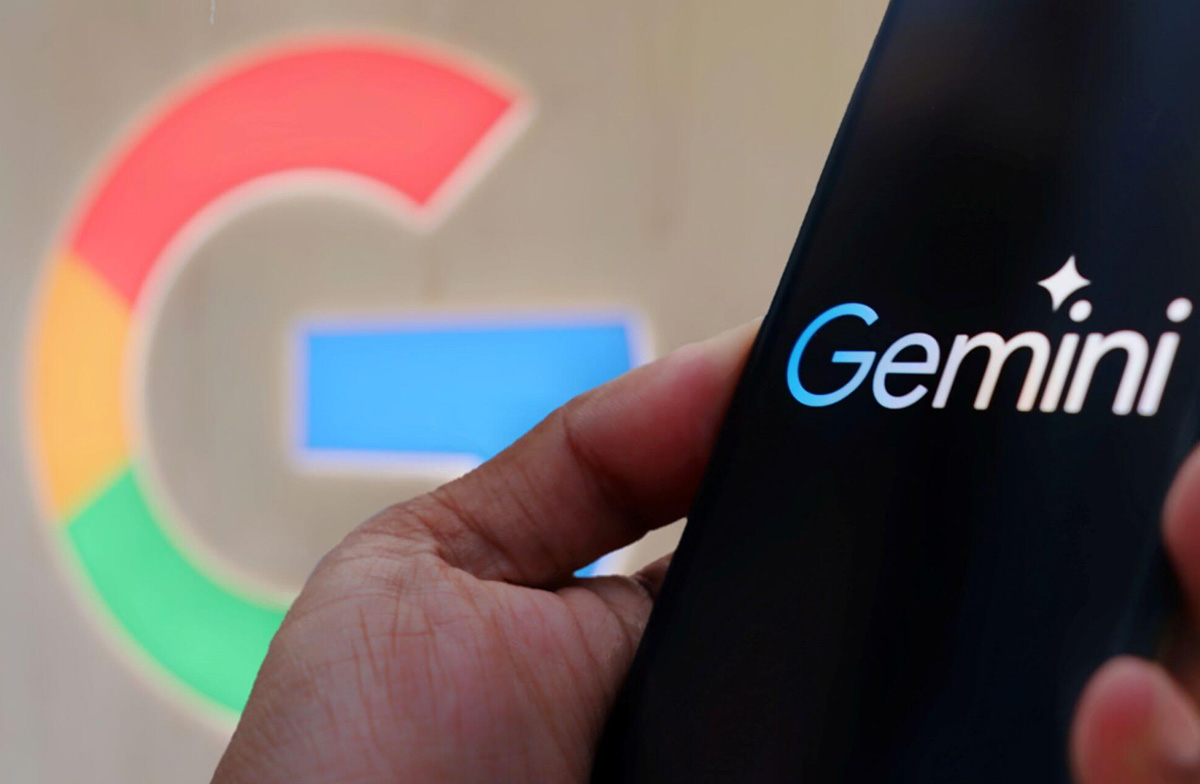
Google released Gemini 4 Carbon on Nov. 10, 2026, and set its starting price at the same level as its earlier Gemini 4 Argon model. The company calls Carbon its strongest model so far.
Developers and businesses on paid plans can use Carbon through the API at $2 per million input tokens and $10 per million output tokens. Google described this as an introductory price.
The launch was announced in a blog post by Koray Kavukcuoglu, senior vice president at Google DeepMind and chief AI architect at Google. Carbon is also rolling out to Google AI Ultra subscribers in the Gemini app, AI Mode in Search, and Google Antigravity.
Cost Per Task Takes Center Stage
Google said Carbon uses more tokens than Argon because it spends more time reasoning and checking its work. Even so, the company claims it costs less per finished task than rival models.
According to Google, Carbon ranks first on CursorBench 4.0, Perplexity’s WANDR, and Zapier’s AutomationBench. It does so at more than 2 times lower cost per task than the next best outside model, the company said.
On a new Multimodal Knowledge Agent benchmark built with Artificial Analysis, Carbon ranked second. Google said its average cost per task was more than 6 times lower than the top model.
Google said Argon remains the best fit for most coding and office work. Carbon is aimed at harder jobs, such as complex multi-step coding and open-ended scientific research.
The company also previewed a feature called /swarm in Google Antigravity. It turns one prompt into a team of AI agents, letting developers pair Carbon with faster, lighter models.
Finance firms tested the model before release. Carbon placed first out of 23 frontier model setups on Balyasny Asset Management’s General Financial Intelligence benchmark and matched the best model on Hebbia’s financial research test.
Cyber Tools Come With Tighter Guardrails
Google first gave Carbon to a group of cybersecurity defenders two weeks ago through its Fairwind Program. A version called Carbon for cyber leads key benchmarks for finding, exploiting, and patching software flaws, the company said.
Wiz used Carbon to scan two major software providers and found zero-day vulnerabilities in under two hours. Google said its internal Project Fortify system reached 100% recall on scanning and 95% precision on triage.
Because of these stronger skills, Google said it tightened its safety controls. In simulated attack tests, Carbon blocked 99% of attack paths from an adaptive red-teaming agent.
The per-attempt breach rate fell to 0.8%, down from 3.1% on Argon. In Gray Swan’s testing, the automated cyberattack query success rate dropped to 2.17% from 9.86%.
External testing by Trajectory Labs found zero new universal jailbreaks across 132 hours and more than 13,000 requests. On Google’s 375-task honesty benchmark, Carbon passed 92% of tasks, compared with 70% for Argon.
Google is also expanding a science program that offers 10,000 researchers free access to Argon for six months. Current and future participants will now get Carbon as well.
Applications remain open, with onboarding on a weekly rolling basis. Cybersecurity defenders can separately apply to the Fairwind Program to access Carbon for cyber.