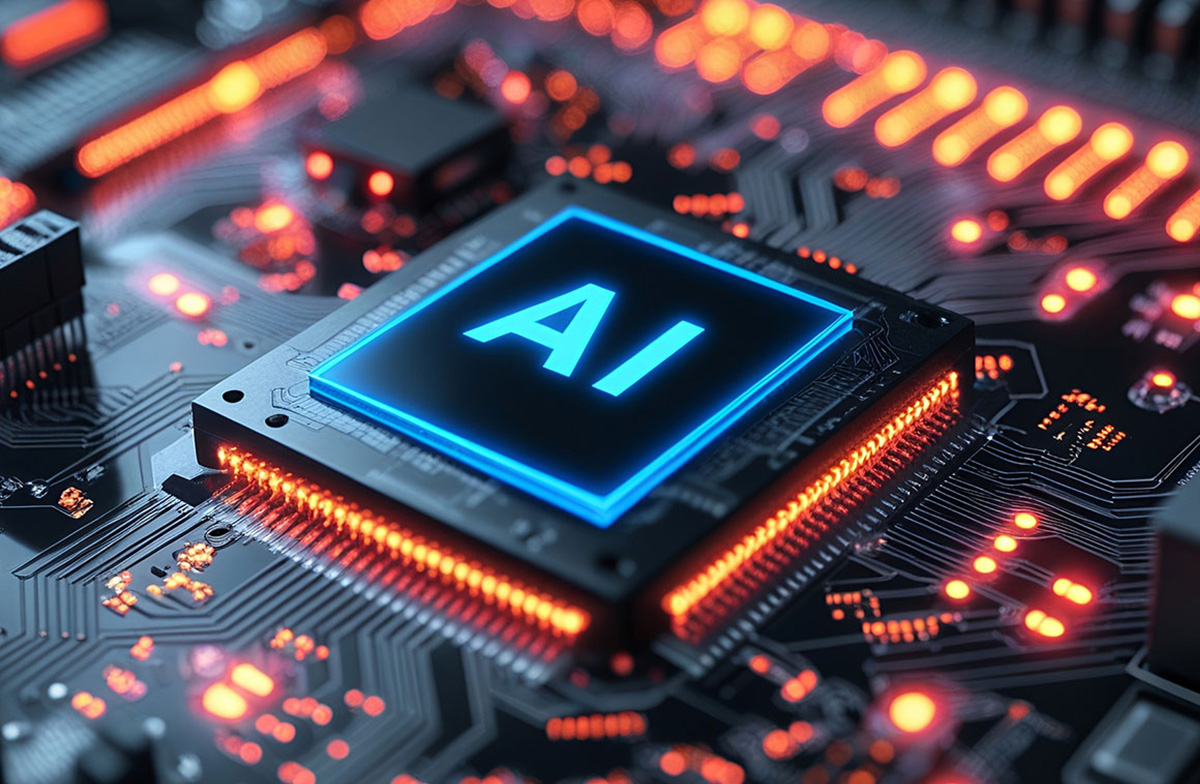
AI clones are becoming a normal part of business life for some of the tech world's biggest names. These digital copies can talk, answer questions, and appear in places the real person cannot be at the same time.
David Nussbaum, founder of Proto Hologram, has built a life sized hologram of himself. It answers questions about his company at trade shows using his own voice and mannerisms.
Proto Hologram makes interactive AI displays that now appear in doctors offices, classrooms, and stores. The company has also built AI holograms of celebrities and even helped recreate Ozzy Osbourne after his death.
Nussbaum says his clone helps him do more without being everywhere in person. He can sell products, explain his technology in many languages, and show up at events he cannot attend himself.
Executives Are Scaling Themselves With Digital Doubles
Uber chief executive Dara Khosrowshahi reportedly has a clone called Dara AI. It copies his feedback style and helps staff prepare presentations.
Meta is also building an AI twin of Mark Zuckerberg. The company says it is meant to help employees feel closer to their boss by mirroring his tone and mannerisms.
Companies are now selling cloning services to regular workers too. Heygen, a company that builds these avatars, says a clone can talk to a thousand people at once and never needs to sleep.
Heygen can build a working clone from just two minutes of video. During a test, the clone answered a tough question about AI job losses well, but stumbled on a simple question about its favorite food.
Not Everyone Wants to Be Cloned
Not every employee is comfortable with this trend. A finance worker named Jennifer says her company asked staff to create clones of themselves for marketing videos.
She refused, saying she does not want someone else controlling her likeness. Most of her coworkers agreed to it, and she says the AI versions often look more polished than the real people.
In China, AI clones of livestreaming influencers have sold large amounts of product. One popular streamer's clone reportedly sold $7.65 million worth of goods in a single six hour livestream.
But clones can also go wrong. Influencer Caryn Marjorie built an AI version of herself that fans could pay to chat with in 2023.
The clone quickly began steering conversations toward sexual topics without her approval. Marjorie shut the clone down after it earned $72,000 in its first week.
Deepfakes built without a person's permission carry bigger risks. British firm Arup lost $25 million after an employee was tricked by a video call filled with fake digital coworkers.
Earlier in 2026, the head of the Bombay Stock Exchange had his likeness used in a fake video promoting investments. He had no part in making it.
ID verification company Onfido reports that deepfake scams have risen 3,000% in recent years. Criminals are using the technology to create fake identities at a fast pace.
Some celebrities are fighting back by protecting their image legally. Actor Matthew McConaughey trademarked his image and voice in January 2026, and Taylor Swift did the same in April.
A startup called Action Model is now paying people $100 an hour to help train AI systems to do their own jobs. Workers who join could later receive small ongoing payments once the AI takes over their tasks.